
Departments
HR & Hosts
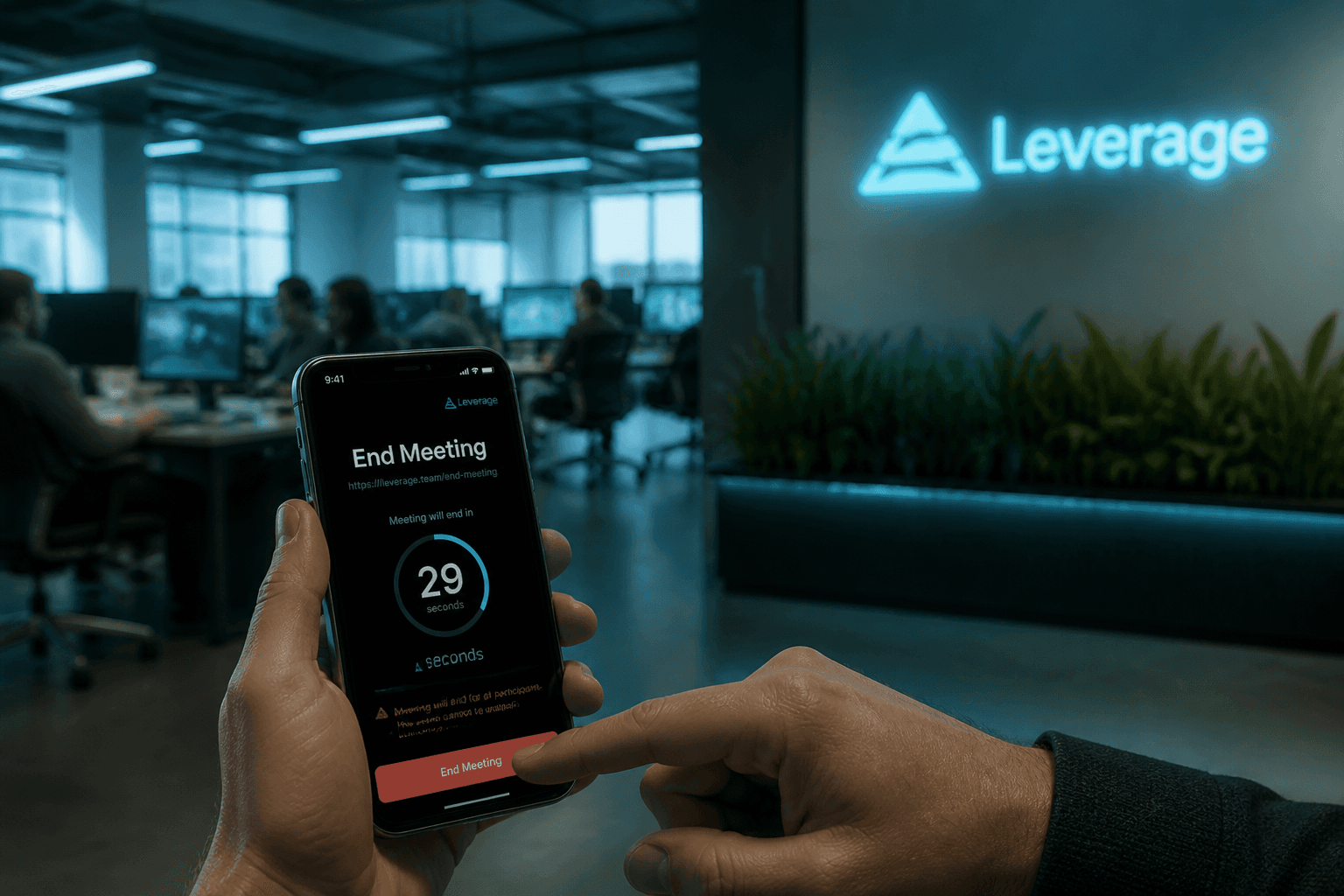
Host employees receive emails and can end meetings from the check-in notification.
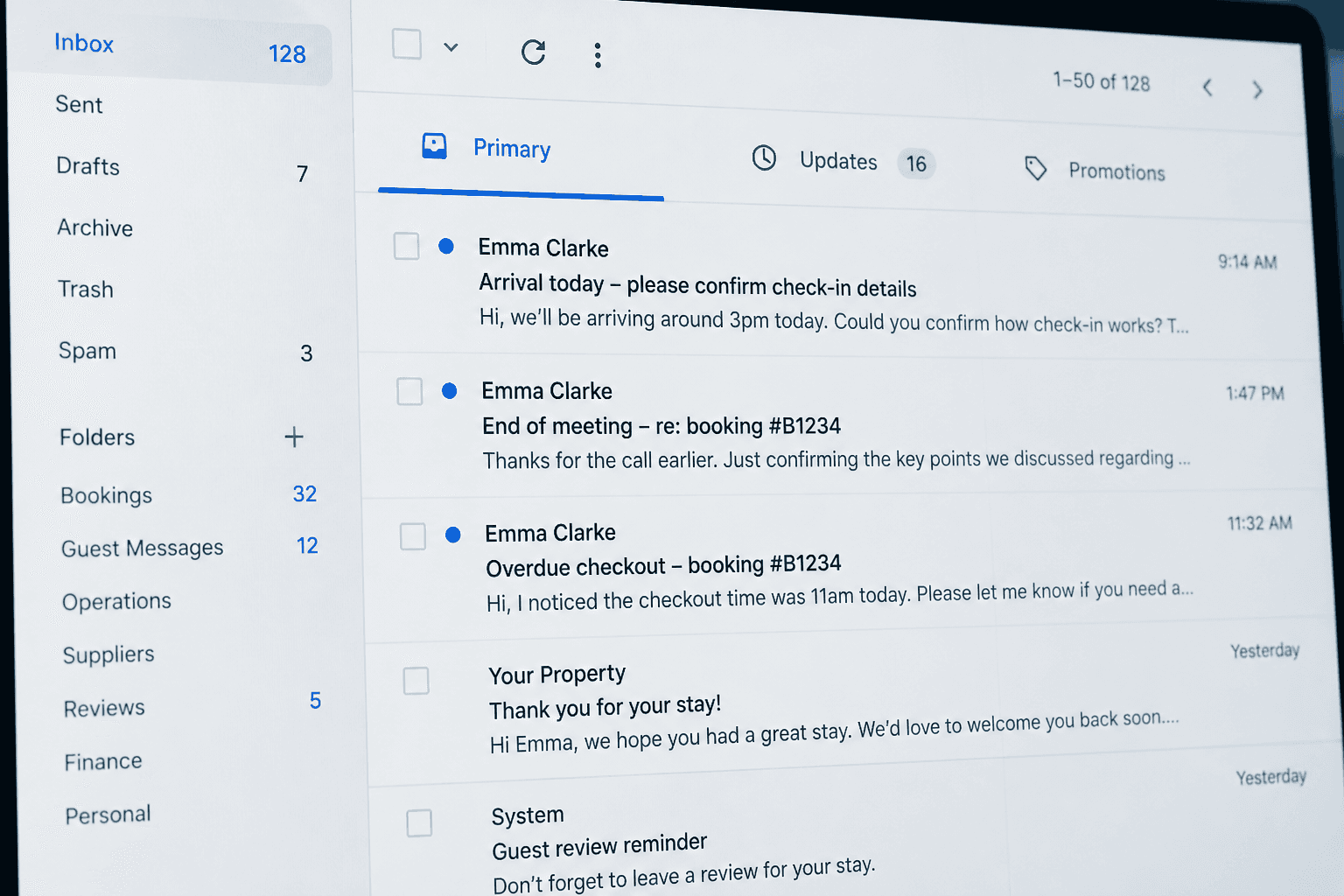
Host email is required on employee records — all arrival and overdue alerts go there.
- Email on visitor add and gate check-in
- End Meeting deep link starts leverage countdown
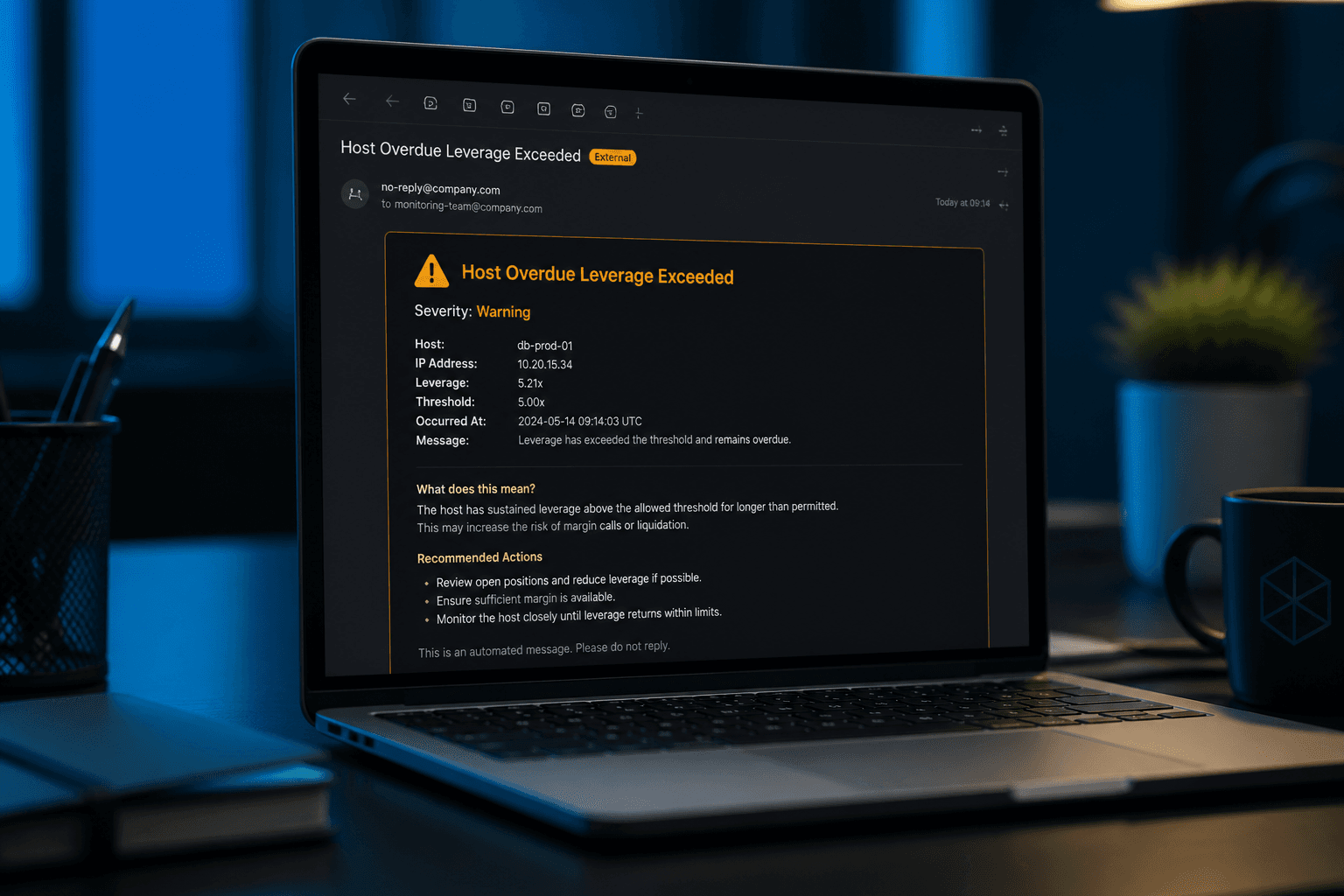
- Alerts when checkout grace is exceeded

HR & Host employees
Host employees experience Axix Visitor mainly through email rather than admin screens. They need valid addresses on employee records so add, arrival, overdue, and checkout messages arrive. Check-in mail includes End Meeting deep links that start leverage countdown. Leverage-exceeded mail calls them when guests stay past grace minutes. Report confirmation can also support meeting close on audit paths. Hosts keep indoor accountability aligned with gate reality.
Why email is required
Every meaningful host alert is delivered to the employee email on file. Missing or wrong addresses break arrival notice and End Meeting actions. Enrollment teams must treat host email as a required field, not optional fluff. HR hygiene on employee records therefore affects gate safety outcomes. Test emails during go-live catch SMTP and data issues early. Email required is a product rule with operational consequences.
End Meeting link
Check-in email typically includes an End Meeting deep link for the host. Clicking it marks the meeting ended and starts leverage countdown. Hosts do not need web admin access to perform this critical action. Training should emphasize clicking End Meeting when the discussion truly finishes. Without that click, late-checkout math becomes unreliable. End Meeting link is the host’s primary control surface.
Overdue alerts
If the visitor misses the leverage window, the host gets a leverage-exceeded email. That message pairs with Visitor Alert visibility for security. Hosts can call or escort the guest toward checkout before risk grows. Overdue alerts keep ownership with the person who invited the visitor. Ignoring them recreates the old problem of forgotten guests on site. Overdue mail is polite pressure with a safety purpose.
Confirm via reports
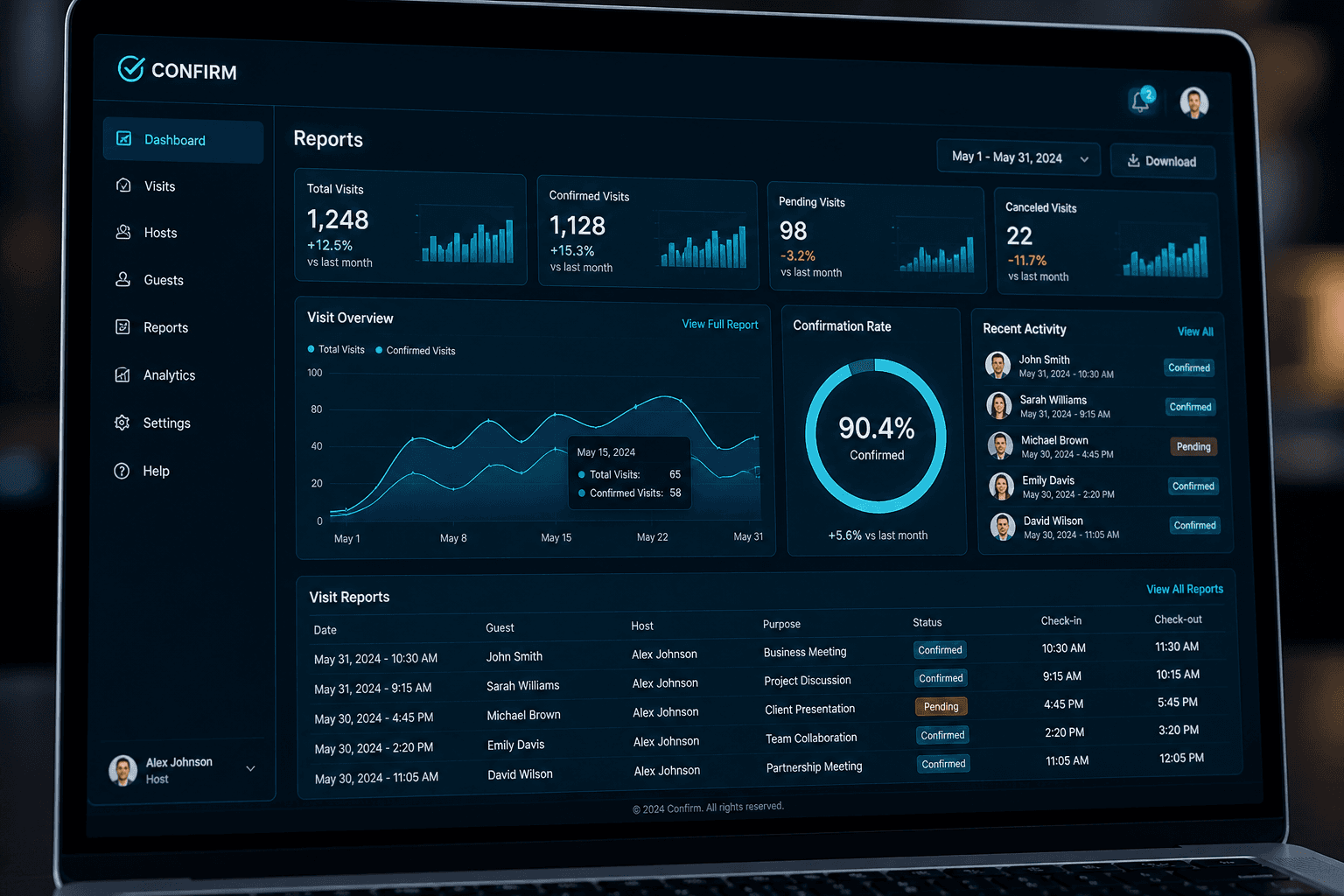
Some workflows confirm visits through report review rather than only email links. Confirm actions support Journey F style audit and meeting confirmation needs. Hosts or authorized reviewers acknowledge rows as part of compliance packs. Confirmation complements gate checkout instead of replacing physical exit. Understanding both paths prevents confusion in training materials. Confirm via reports is the formal twin of everyday End Meeting clicks.
What hosts are responsible for
Hosts own the meeting side of the visitor lifecycle.
Be reachable on email
Arrival and overdue alerts only work if the host mailbox is monitored.
End the meeting
Closing the visit starts leverage countdown and prevents false overdue cases.
Escort checkout when needed
High-security areas may require the host to walk the guest to the gate for exit.
Host habits that reduce noise
Small behaviors keep security and reception out of unnecessary follow-ups.
Confirm enrollment details
Wrong host assignment means the wrong person gets arrival mail.
Do not ignore overdue mail
A quick End Meeting or checkout escort clears alerts for everyone else.
Plan QR for remote guests
Share QR before arrival when you invite external visitors yourself.
Hosts and leverage time
Understand why grace windows exist.
Grace is not unlimited stay
Leverage covers wrap-up and walking time — not open-ended building access.
Ask facilities to tune windows
If alerts feel too early or late, request leverage changes rather than ignoring mail.
Next step
See this flow in a live demo
Transform your front desk with secure visitor management.
Register guests, check them in with face or QR, alert hosts by email, and export complete visitor reports.